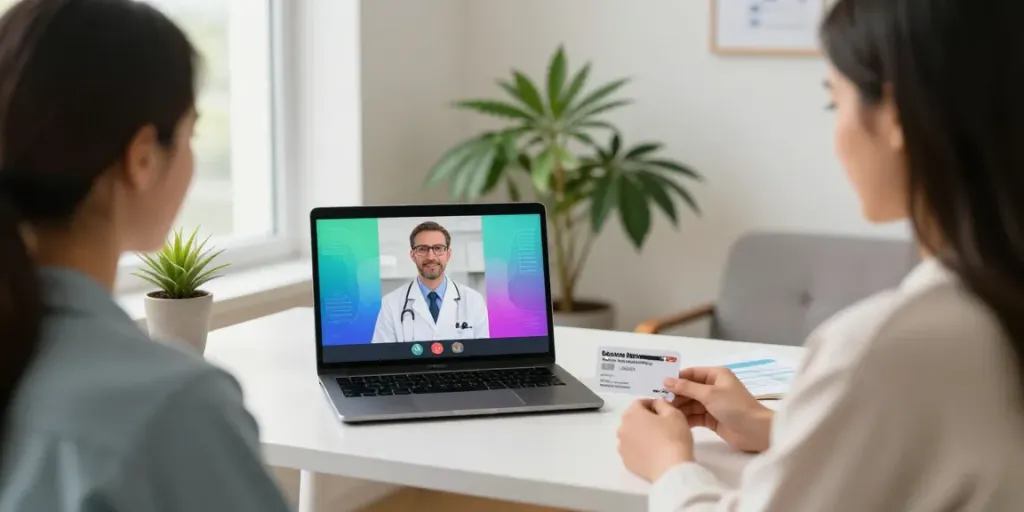
Understanding the Basics of Medical Marijuana Cards
In recent years, the landscape of healthcare has evolved significantly, particularly when it comes to medical marijuana. For those considering this treatment option, understanding how to obtain a medical marijuana card is crucial. In California, the process is streamlined and accessible, allowing patients to get medical marijuana cards online in just a few simple steps. By leveraging telemedicine, patients can now connect with licensed medical professionals from the comfort of their own homes. Moreover, the process is incredibly efficient, often resulting in same-day approvals, making it easier than ever to access the benefits of medical cannabis.
When exploring options, get medical marijuana card services can provide comprehensive insights into the eligibility requirements and benefits of securing one.
What is a Medical Marijuana Card?
A medical marijuana card, also known as a medical cannabis card, is a state-issued identification card that allows patients to legally possess and use medical cannabis. This card is issued to individuals diagnosed with qualifying medical conditions such as chronic pain, anxiety, PTSD, and more. Holding a medical marijuana card not only provides legal protection but also facilitates access to dispensaries where patients can obtain cannabis products tailored to their needs.
Eligibility Requirements for Getting a Medical Marijuana Card
To qualify for a medical marijuana card in California, applicants must meet several criteria:
- Age: Must be at least 18 years old. Minors can qualify but need parental consent.
- Medical Condition: Must have a qualifying condition supported by a licensed physician.
- California Residency: Applicants must be residents of California and provide proof of residency.
After assessment, patients will receive a recommendation from a licensed physician, which is a crucial step in the application process.
Benefits of Having a Medical Marijuana Card
Holding a medical marijuana card comes with several advantages, including:
- Legal Protection: Patients can legally possess and use cannabis without the fear of legal repercussions.
- Access to Dispensaries: Cardholders can purchase cannabis from licensed dispensaries that offer a wider range of products than those available for recreational use.
- Higher Purchase Limits: Medical marijuana patients may buy larger quantities compared to recreational users, which is crucial for those needing consistent treatment.
- Tax Benefits: Depending on local laws, medical cannabis may be exempt from certain taxes applied to recreational purchases.
The Application Process for a Medical Marijuana Card
The process of acquiring a medical marijuana card is designed to be user-friendly and efficient. Here’s a detailed look at how to navigate the application procedure.
Steps to Begin the Application for a Medical Marijuana Card
To get started on obtaining your medical marijuana card, follow these steps:
- Pre-Qualification: Begin by filling out a pre-qualification form on a trusted telehealth platform.
- Online Evaluation: Schedule an online consultation with a licensed physician who specializes in medical cannabis.
- Receive Your Recommendation: If approved, you'll receive your medical marijuana recommendation via email, often within minutes.
- Obtain Your Card: After receiving your recommendation, you can choose to order your physical medical marijuana card for an additional fee.
Telehealth Consultations: What to Expect
Telehealth consultations are a game-changer for patients seeking medical marijuana recommendations. During these appointments, patients can expect:
- A thorough assessment of their medical history and current health conditions.
- Discussion about potential benefits and risks associated with medical cannabis use.
- Personalized recommendations tailored to the patient’s specific needs.
This virtual format ensures convenience while maintaining the privacy and confidentiality of medical information.
Common Documentation Needed to Get Medical Marijuana Card
To streamline the application process, applicants should have the following documentation on hand:
- Proof of Identity: A valid government-issued ID (driver’s license, state ID, etc.).
- Medical Records: Documentation from a licensed physician confirming your qualifying medical condition.
- Proof of Residency: Documents that verify your address in California, such as utility bills or bank statements.
Using Your Medical Marijuana Card at Dispensaries
Once you obtain your medical marijuana card, understanding how to utilize it at dispensaries is essential for a smooth experience.
How to Navigate Dispensaries with a Medical Marijuana Card
When visiting dispensaries as a medical marijuana cardholder, keep these tips in mind:
- Bring Your Card: Always carry your medical marijuana card and recommendation letter.
- Consult the Staff: Budtenders can guide you toward products that fit your medical needs.
- Ask Questions: Don’t hesitate to inquire about product information, dosage, and potential effects.
Understanding Your Purchase Limits and Rights
As a medical marijuana patient, knowing your rights and limits is crucial. In California, cardholders are permitted to purchase:
- Up to 8 ounces of medical cannabis.
- Greater access to concentrated products, which may be restricted for recreational users.
- Access to higher-potency options tailored to specific medical needs.
Variations in Acceptability Across California Dispensaries
While the majority of dispensaries in California accept medical marijuana cards, there can be variations in policies. It’s wise to:
- Contact dispensaries ahead to confirm their acceptance of medical cards.
- Be aware of individual dispensaries' product offerings, as they may differ widely.
Maintaining Your Medical Marijuana Card
To continue reaping the benefits of your medical marijuana card, staying informed about renewal processes and regulations is crucial.
Renewal Process for Medical Marijuana Card
In California, medical marijuana cards need to be renewed periodically. Here’s how:
- Check Expiration: Monitor your card’s expiration date and start the renewal process at least 30 days prior.
- Schedule a Follow-Up Consultation: You may need another assessment from a licensed physician.
- Submit Renewal Application: Ensure all documentation is up to date and resubmit as required.
Staying Informed on Changes in Local Laws
Regulatory changes in cannabis laws can occur frequently. To stay informed:
- Follow reliable cannabis news outlets and community resources.
- Engage with local advocacy groups that focus on medical cannabis issues.
Tips for Keeping Your Medical Records Updated
Maintain accurate and updated medical records by:
- Regularly visiting your healthcare provider to discuss your medical condition and treatment.
- Documenting any changes in treatment or new diagnoses, which may necessitate reevaluation for your medical card.
Frequently Asked Questions
How much does it cost to get a medical marijuana card?
The cost can vary, but expect to pay for the consultation and any additional fees for the card itself. Online platforms often offer competitive pricing.
Can I get my medical marijuana card online?
Yes, many telehealth services allow you to apply for your medical marijuana card online, making it convenient and efficient.
What if I don’t qualify for a medical marijuana card?
If you don’t qualify, reputable services typically offer a money-back guarantee for the consultation fee.
Are there age restrictions for obtaining a medical marijuana card?
Yes, applicants must be at least 18 years old to obtain a card independently. Minors need parental assistance.
How do I ensure the safety and privacy of my medical information?
Choose telehealth providers that comply with HIPAA regulations to ensure your medical information remains secure and private.