
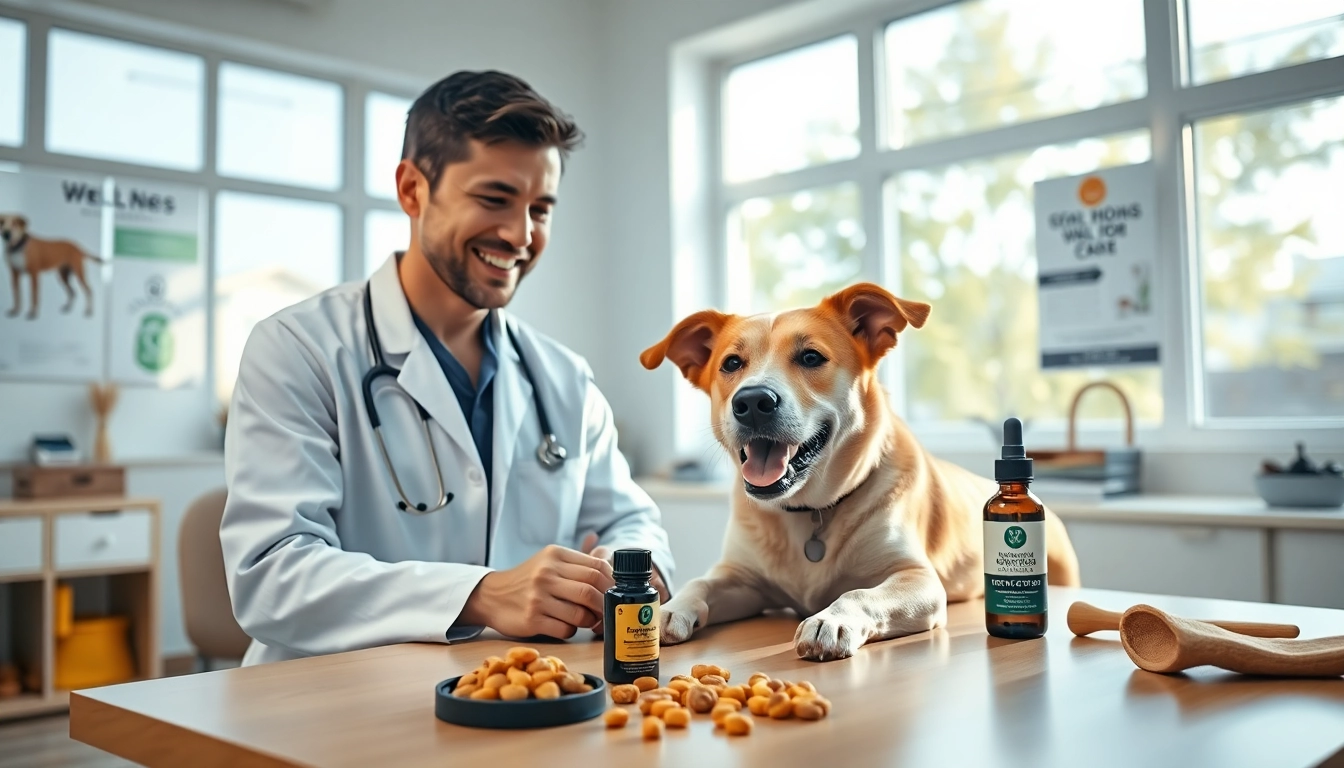
The growing interest in natural health solutions has led many pet owners to explore alternative remedies, particularly CBD For Pet. Cannabidiol (CBD), a compound derived from hemp, is increasingly recognized for its potential benefits in enhancing the well-being of our beloved pets. In this comprehensive exploration, we’ll delve into the science behind CBD, its effects on pets, the health issues it addresses, and how to choose and administer CBD products safely and effectively. This article aims to equip pet owners with the necessary knowledge to make informed decisions regarding the incorporation of CBD into their pets' health regimens.
The Science Behind CBD For Pet
Understanding CBD and Its Origins
CBD, or cannabidiol, is one of over 100 cannabinoids found in the cannabis plant. Unlike THC (tetrahydrocannabinol), the primary psychoactive compound in cannabis, CBD does not produce a "high." Instead, it is prized for its potential therapeutic effects on various health conditions. As research transcends into the realm of veterinary medicine, pet owners are increasingly considering CBD as a natural supplement for their dogs and cats.
The origins of CBD can be traced back to ancient practices where hemp and cannabis were utilized for their healing properties. In recent years, scientific studies have begun to confirm many of these historical benefits, paving the way for modern applications of CBD in pet care.
How CBD Affects Pets' Endocannabinoid System
Every mammal possesses an endocannabinoid system (ECS), which plays a crucial role in regulating a variety of physiological processes, including mood, appetite, pain sensation, and immune responses. The ECS consists of endocannabinoids, receptors, and enzymes that work together to maintain homeostasis.
CBD interacts with the ECS by binding to cannabinoid receptors, primarily CB1 and CB2. These receptors are mainly located in the brain, nervous system, and peripheral organs. Through this interaction, CBD can potentially help balance the body’s systems, promoting overall health and well-being in pets. By modulating pain, reducing inflammation, and alleviating anxiety, CBD may serve as a natural alternative to traditional pharmaceutical treatments.
Research Findings on CBD Benefits for Pets
Scientific research into CBD's efficacy for pets is still in its infancy, but several studies have shed light on its potential benefits. For instance, a study published found that CBD oil significantly reduced seizures in dogs with epilepsy, suggesting that it could serve as a viable treatment option for this condition.
Another study focused on pets experiencing pain related to osteoarthritis found that CBD not only improved mobility but also reduced pain levels. Additionally, anecdotal evidence abounds, with numerous pet owners reporting improvements in their pets' anxiety levels, mobility, and overall quality of life after administering CBD.
Common Health Issues Addressed by CBD For Pet
Anxiety and Stress Relief
Many pets experience anxiety and stress due to various factors such as loud noises, separation from their owners, or changes in their environment. CBD has been recognized for its calming properties, helping to reduce anxiety-related behaviors in pets.
Studies have indicated that CBD can lower stress levels in dogs, making it a beneficial supplement for pets facing challenging situations, such as thunderstorms, fireworks, or veterinary visits. By fostering a sense of calm, CBD can significantly enhance a pet's quality of life and wellbeing.
Pain Management and Inflammation Reduction
Pain management is an essential aspect of caring for aging or injured pets. Conditions such as arthritis and other inflammatory diseases can lead to significant discomfort and limited mobility. CBD has exhibited anti-inflammatory properties, which can help alleviate pain and improve physical function.
By interacting with the body's endocannabinoid system, CBD may reduce inflammation and promote healing, offering pet owners a natural alternative for managing pain without the side effects often associated with pharmaceutical treatments.
Support for Joint Health and Mobility
Joint health is paramount for pets, particularly as they age. CBD may play a pivotal role in supporting joint health due to its anti-inflammatory properties. By helping to manage inflammation and reduce pain associated with joint conditions, CBD can promote greater mobility and a more active lifestyle for pets.
Furthermore, enhancing joint health through CBD use can help pets maintain their flexibility and playfulness, leading to a happier and healthier life.
Choosing the Right CBD For Pet Products
Types of CBD Products Available
The market for CBD products for pets has expanded significantly, offering a range of options to suit various preferences and needs. Common forms of CBD products for pets include:
- Oils and Tinctures: These liquid formulations allow for easy dosage adjustments and quick absorption.
- Chews and Treats: These convenient options are popular for pets that might resist liquid forms. They come in various flavors, making them appealing to pets.
- Topicals: Creams and balms can be applied directly to areas affected by pain or inflammation, providing localized relief.
Reading Labels and Understanding Dosages
When choosing CBD products for pets, it’s crucial to read labels carefully. Look for products that specify the concentration of CBD and the recommended dosage based on your pet’s weight. High-quality products will also provide information about the source of the CBD, extraction methods, and third-party lab testing results.
Determining the correct dosage can vary greatly between individual pets, based on factors such as their size, age, and overall health. It is often advisable to start with a lower dose and observe how your pet responds, gradually increasing it as needed. Consulting with a veterinarian knowledgeable about CBD can also provide valuable guidance in selecting dosages.
Quality Assurance and Safety Considerations
Ensuring the safety and efficacy of CBD products is paramount. Look for products that adhere to rigorous quality standards, including:
- Third-Party Testing: Products should be tested for purity and potency by an independent laboratory.
- No THC: Ensure the product is derived from hemp and contains negligible amounts of THC, ideally less than 0.3%.
- Organic Ingredients: Choose products that are free from harmful additives, chemicals, and pesticides.
Prioritizing quality assurance will not only enhance your pet’s safety but also ensure they receive the intended benefits from CBD products.
How to Administer CBD For Pet Effectively
Methods for CBD Consumption
Administering CBD to pets can be done in various ways, depending on the chosen product form. For oils and tinctures, placing the recommended dose directly into your pet's mouth or mixing it with food can be effective. Chews and treats can simply be given as part of your pet's daily routine.
For topicals, ensure the affected area is clean before applying the product, massaging it gently into the skin for optimal absorption.
Determining the Best Dosage for Your Pet
Finding the right dosage of CBD for your pet can be complex, as various factors influence individual needs. As a general guideline, starting with a low dose and gradually increasing it while monitoring your pet's responses is advisable. Consider factors such as your pet's weight, age, and specific health conditions when determining dosage.
Keeping a journal to track your pet's responses to CBD can help you gauge its effectiveness and inform any necessary adjustments to their regimen.
Monitoring Your Pet's Response to CBD
Once you’ve initiated a CBD regimen, it’s crucial to monitor your pet closely to assess its effects. Look for signs of improvement in their health, behavior, and overall mood. If adverse reactions occur, such as lethargy or digestive upset, consider reducing the dosage or discontinuing use and consulting a veterinarian.
Establishing a regular check-in routine can help ensure that your pet is benefiting from CBD while avoiding any potential side effects.
Legal Considerations Around CBD For Pet
Understanding State Regulations
The legal landscape surrounding CBD can be complex, varying significantly from one state to another. While the 2018 Farm Bill legalized hemp-derived CBD on a federal level, individual states have the authority to impose their regulations.
Pet owners should familiarize themselves with their local laws regarding CBD for pets to ensure compliance, especially when traveling or considering purchasing products online.
The Role of Veterinarians in CBD Discussions
Veterinarians play a crucial role in guiding pet owners on the safe use of CBD. However, due to the varying legal and regulatory frameworks, some veterinarians may be hesitant to advise on CBD use. Engaging in open conversations with your veterinarian about your interest in CBD can help you navigate any concerns or limitations regarding its incorporation into your pet's care plan.
Ensuring Compliance and Safety
Maintaining compliance with local regulations and following safety recommendations ensures that your pet benefits from CBD without encountering legal issues. Always opt for high-quality products and consult with responsible suppliers who can provide information about their testing and sourcing methods.
Staying informed about legal changes can also help pet owners make proactive decisions regarding the use of CBD in their pet care regimen.
In conclusion, CBD For Pet presents an intriguing avenue for pet owners seeking natural solutions for their pets' health challenges. By understanding its scientific basis, benefits, and safe usage practices, pet owners can confidently navigate this emerging field. Assessing their pets’ needs and carefully selecting high-quality products will enable them to contribute positively to their pets’ overall health and wellness.