
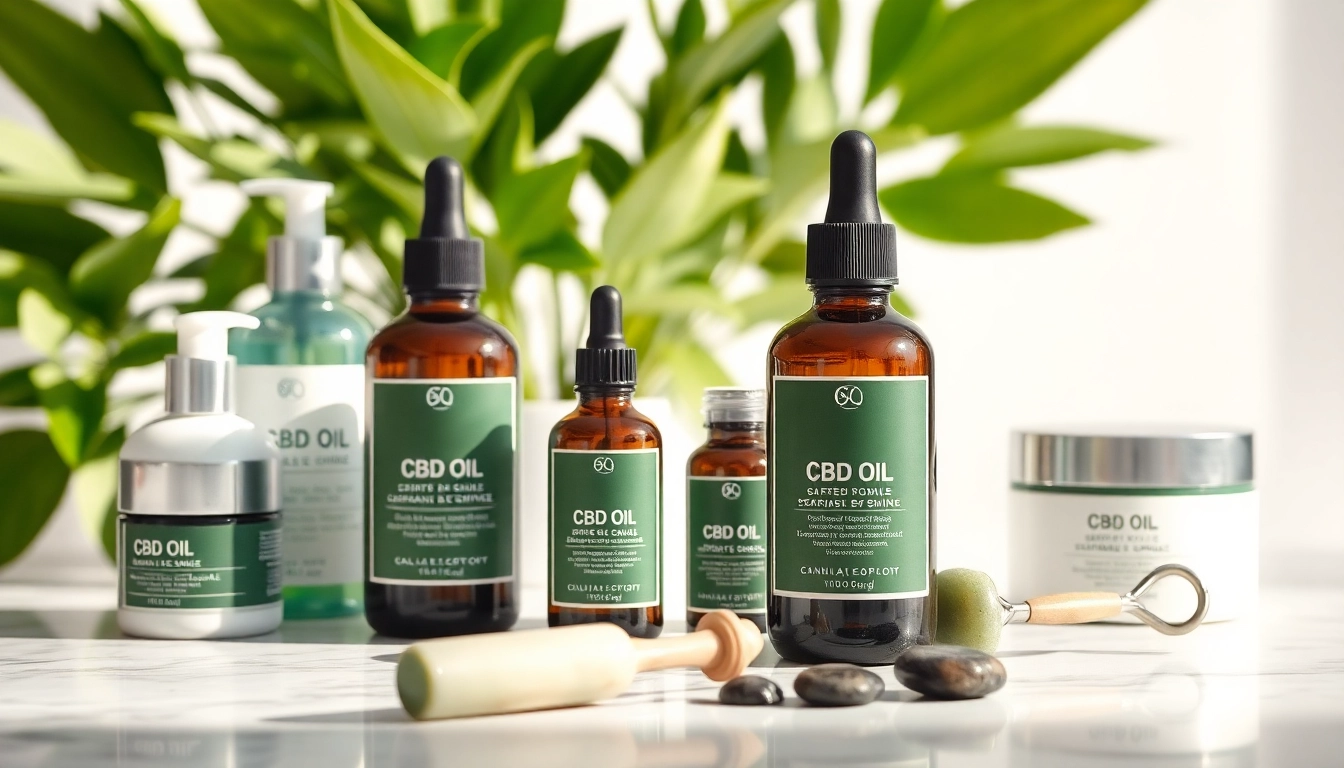
Understanding CBD Oil for Skin
What is CBD oil?
CBD oil, short for cannabidiol oil, is derived from the cannabis plant and is known for its potential therapeutic benefits without the psychoactive effects typically associated with marijuana. Unlike tetrahydrocannabinol (THC), another well-known compound in the cannabis plant, CBD does not produce a "high." Instead, CBD oil is celebrated for its various health benefits, particularly when it comes to skin care. With the increasing popularity of natural products, CBD oil for skin has gained traction among consumers seeking relief for various skin conditions due to its anti-inflammatory and hydrating properties.
How CBD oil interacts with the skin
Cannabidiol interacts with the body's endocannabinoid system (ECS), which plays a crucial role in regulating many functions, including the skin's health. The ECS consists of cannabinoid receptors located throughout the body, including the skin. When applied topically, CBD oil can bind to these receptors, potentially influencing several skin functions and promoting homeostasis. Research suggests that CBD may help regulate oil production, reduce inflammation, and provide antioxidant properties, making it a potentially versatile ingredient in skincare formulations.
Common misconceptions about CBD oil for skin
Despite its growing popularity, several misconceptions surrounding CBD oil for skin persist. One prevalent myth is that CBD oil causes a psychoactive effect on the user. However, CBD oil lacks significant THC levels, thus eliminating the potential for any high sensation. Another misunderstanding is that CBD oil is exclusively for specific skin types. In reality, its anti-inflammatory and moisturizing effects can benefit a wide range of skin conditions, making it suitable for different skin types, from oily to dry. Additionally, some may think that all CBD products are the same; however, variations in sourcing, extraction methods, and purity can lead to differences in efficacy. It is essential for consumers to research and choose high-quality products to maximize potential benefits.
Benefits of CBD Oil for Skin Health
Anti-inflammatory properties of CBD oil for skin
One of the most notable benefits of CBD is its anti-inflammatory properties. Inflammation can lead to various skin conditions, including acne, eczema, and psoriasis. Research indicates that CBD may help reduce inflammation by interacting with the body's ECS to modulate inflammatory responses. By doing so, it may alleviate symptoms such as redness, swelling, and irritation, providing a calmer complexion. Moreover, a study highlighted CBD's efficacy in reducing inflammation associated with skin conditions like acne, leading to fewer breakouts and overall healthier skin.
CBD oil’s role in skin hydration
Maintaining moisture is crucial for overall skin health. CBD oil is believed to enhance the skin's ability to retain moisture, primarily through its interaction with the ECS. Studies show that CBD oil can support and strengthen the skin barrier, reducing transdermal water loss and helping to keep skin well-hydrated. Well-hydrated skin appears plumper and has a reduced appearance of fine lines and wrinkles. This hydrating effect is particularly beneficial for individuals with dry or sensitive skin, as it can help restore balance and alleviate discomfort.
How CBD oil may help with acne
Acne is a common skin condition affecting individuals of all ages, often stemming from excess sebum production and inflammation. CBD oil has shown promise in combating acne due to its ability to regulate oil production and reduce inflammation. Research indicates that CBD can inhibit sebocyte proliferation (skin cells that produce sebum), potentially decreasing oil buildup and preventing clogged pores. Furthermore, its antibacterial properties may help alleviate acne severity by targeting acne-causing bacteria on the skin. Incorporating CBD oil into a skincare routine may not only address existing breakouts but also work toward preventing future ones.
How to Use CBD Oil for Skin
Best application methods for CBD oil
There are several effective methods for applying CBD oil to the skin, each catering to different needs and preferences. One of the most common methods is direct topical application, where CBD oil is applied straight to the skin's surface. This method is particularly beneficial for targeting localized issues, such as inflammation, redness, or acne. For a more comprehensive approach, users can also incorporate CBD oil into their regular skincare routine by mixing it with moisturizers, serums, or facial masks. This allows for enhanced hydration and benefits through layering different products. However, it’s essential to conduct a patch test to ensure no adverse reactions occur before widespread use.
CBD oil for targeted skin conditions
For those struggling with specific skin concerns, CBD oil can be employed as a targeted treatment. For example, individuals with eczema may find relief by applying CBD oil to affected areas to reduce inflammation and soothe itching. Similarly, psoriasis patients may benefit from its ability to slow down skin cell proliferation. When utilizing CBD oil to treat targeted conditions, it is advisable to consult with a healthcare professional or dermatologist to establish a suitable regimen. They can offer personalized recommendations based on individual skin needs and conditions.
DIY recipes incorporating CBD oil for skin
Creating your own CBD-infused skincare products at home is an enjoyable way to harness its benefits while customizing formulations to your specific skin needs. Here are a couple of simple recipes that readers can try:
- CBD Oil Moisturizing Balm: In a double boiler, combine 1/4 cup of coconut oil, 1/4 cup of beeswax, and 2 tablespoons of CBD oil. Stir until melted, and pour into a jar. Allow it to set before use. This balm is effective for dry patches and provides long-lasting hydration.
- CBD-infused Face Mask: Mix 2 tablespoons of yogurt, 1 tablespoon of honey, 1 teaspoon of CBD oil, and a few drops of essential oil (like lavender or tea tree). Apply to the face for 15 minutes, then rinse off for refreshed and hydrated skin.
Choosing the Right CBD Oil for Skin Products
What to look for in CBD oil for skin
When selecting a CBD oil product for skin care, there are several factors to consider to ensure quality and effectiveness. First and foremost, look for products that provide third-party lab testing results, confirming the cannabinoid content and checking for contaminants such as pesticides or heavy metals. Additionally, opt for full-spectrum or broad-spectrum CBD oils to benefit from the entourage effect, where multiple cannabinoids and terpenes work synergistically for enhanced efficacy.
Understanding CBD oil sourcing and extraction methods
The sourcing of hemp can significantly impact the quality of CBD oil. Choose products derived from organic hemp, which is grown without harmful pesticides and fertilizers. Furthermore, the extraction method used can affect the potency and purity of the final product. CO2 extraction is considered the gold standard, as it preserves a broader range of cannabinoids and terpenes while ensuring a cleaner product compared to solvent-based extraction methods.
How to read labels for quality assurance
Reading labels thoroughly is essential to ensure you're investing in quality CBD oil products. Check for the CBD concentration listed in milligrams (mg), as this will help you understand how potent the product is. The ingredient list should be minimal, containing natural ingredients without unnecessary fillers or artificial additives. Look for statements indicating third-party testing and verify that the product meets industry standards. Familiarizing yourself with the terminology used in CBD products will enable you to make informed purchasing decisions.
Potential Side Effects and Considerations
Possible allergic reactions to CBD oil for skin
Though generally well-tolerated, CBD oil can cause allergic reactions in some individuals. Symptoms may include redness, itching, or swelling in the application area. Given the variability in individual skin types, conducting a patch test is recommended before widespread use, especially for those with sensitive skin or a history of allergies. If adverse reactions occur, it's crucial to discontinue use and consult with a healthcare provider.
Interactions with other skincare ingredients
CBD oil can interact with various ingredients commonly found in skincare products. For instance, when combined with retinol or alpha hydroxy acids (AHAs), the effects may be intensified, leading to potential skin irritation. Users should be cautious when layering products and consider spacing out the application of potent actives to avoid any adverse reactions. Consulting with a dermatologist can also provide guidance on how to safely incorporate CBD oil into an existing skincare routine.
When to consult a dermatologist about CBD oil use
Certain situations warrant consulting a dermatologist before starting any new skincare regimen, including one involving CBD oil. These situations include pre-existing skin conditions, ongoing treatments, or if you're pregnant or breastfeeding. A healthcare professional can give tailored advice and help determine if CBD oil is appropriate for individual skin concerns, ensuring safe and effective use.