

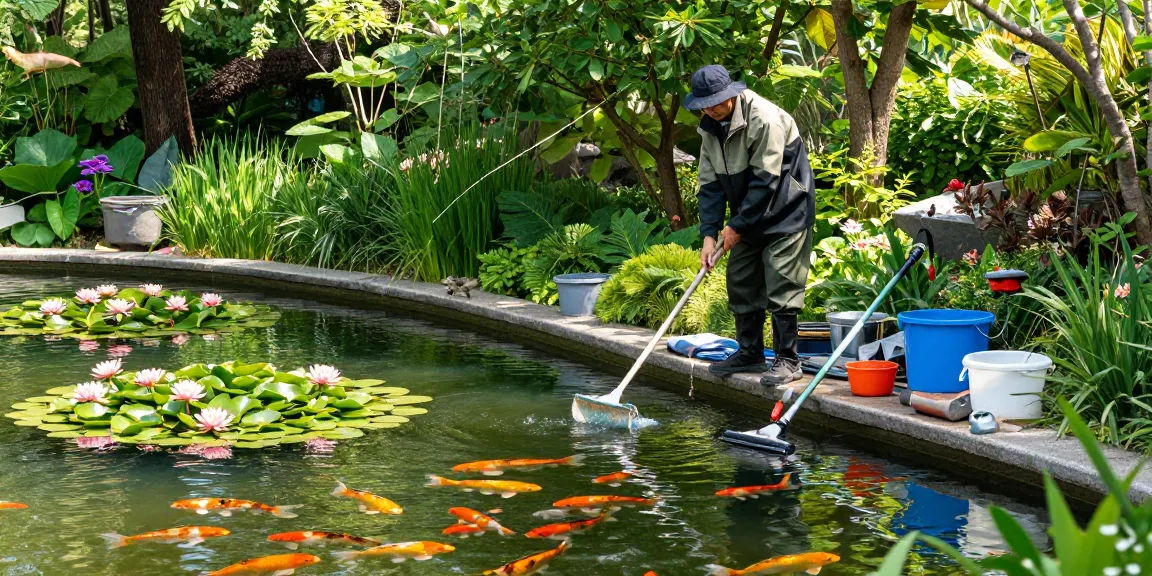
Understanding the Importance of Regular Pond Cleaning
Maintaining a clean pond is essential for both aesthetic and ecological reasons. A well-kept pond can serve as a beautiful focal point in your garden, attract local wildlife, and enhance the overall value of your property. However, the pond’s health is directly linked to its cleanliness. Without adequate care, your pond can become a breeding ground for algae and harmful bacteria, leading to poor water quality and unhealthy ecosystems. When exploring options, Pond Clean London provides comprehensive insights into effective maintenance strategies.
Why Pond Cleaning is Essential for Health
Pond cleaning is vital for ensuring the health of aquatic life. Debris, fallen leaves, and organic matter can decompose, releasing harmful gases and toxins that diminish oxygen levels in the water. This can lead to fish kills and other serious ecological impacts. Regular cleaning helps maintain balanced pH levels, reduces algae growth, and supports a thriving aquatic ecosystem. Clean ponds also prevent unpleasant odors, making your outdoor space more inviting.
Common Issues Caused by Neglected Ponds
Neglecting your pond can result in several issues, including:
- Algae Blooms: Excess nutrients from decomposed organic material can lead to algal blooms, which deplete oxygen levels and block sunlight.
- Invasive Species: Poor maintenance can allow invasive plants to take over, outcompeting native species and disrupting the ecosystem.
- Water Quality Problems: Stagnant water becomes a breeding ground for harmful bacteria and diseases that can affect both fish and humans.
- Aesthetic Issues: A dirty pond can become unsightly and ruin the visual appeal of your outdoor space.
Benefits of Professional Pond Clean London Services
Hiring a professional for pond cleaning can provide numerous advantages, such as:
- Expertise: Professionals understand the complexities of pond ecosystems and apply the appropriate cleaning methods.
- Efficiency: Trained teams can clean your pond thoroughly and quickly, minimizing disruption to your garden.
- Preventive Care: Regular professional visits can help identify potential issues before they escalate, ensuring long-term health for your pond.
- Safety: Handling pond cleaning equipment and potentially toxic materials is best done by experienced individuals to avoid injuries or accidents.
Choosing the Right Pond Cleaning Service in London
Finding a reliable pond cleaning service in London can be daunting due to the number of available options. However, by considering a few key factors, you can make an informed choice that suits your needs and budget.
Factors to Consider When Hiring Professionals
When selecting a pond cleaning service, consider the following factors:
- Reputation: Check online reviews and ask for recommendations to gauge the reliability of the service provider.
- Experience: Choose a company with extensive experience in pond maintenance to ensure they can handle your specific needs.
- Services Offered: Ensure the company offers comprehensive services, including algae removal, water quality testing, and aquatic plant care.
- Insurance: A reputable service should be insured to protect you from any potential damages or accidents during the cleaning process.
Comparing Costs: Pond Clean London Options
The cost of pond cleaning can vary significantly based on several factors, including the size of your pond, its condition, and the specific services required. On average, you can expect to pay between £250 to £600 for a professional cleaning. Smaller ponds typically cost less, while larger bodies of water may require a more substantial investment. Always ask for a detailed quote before proceeding with any cleaning service to avoid unexpected charges.
What to Expect During a Pond Cleaning Visit
During a professional pond cleaning visit, you can expect the following steps:
- Assessment: The team will assess the condition of your pond, noting any immediate issues that need addressing.
- Preparation: Fish and other wildlife will be carefully removed from the pond and placed in temporary holding tanks to ensure their safety.
- Cleaning: The team will drain the pond and clean the bottom and sides, removing debris and sludge.
- Water Quality Check: After cleaning, the water will be tested for pH levels, ammonia, and other key indicators to ensure a healthy environment.
- Reintroduction: Once the pond is clean and the water parameters are suitable, fish and plants will be reintroduced to their home.
DIY Pond Cleaning: Best Practices and Techniques
If you’re inclined to take on pond cleaning yourself, there are essential practices you should follow to ensure effective results. While DIY can save money, it’s crucial to understand the proper techniques and tools required.
Essential Tools and Equipment Needed
Before diving into DIY pond cleaning, gather the following tools:
- Pond Vacuum: Ideal for removing sludge and debris from the bottom of the pond.
- Net: Useful for catching fish and removing floating debris.
- Water Testing Kit: For monitoring pH levels, ammonia, and other water quality parameters.
- Algaecides: If necessary, to tackle algae growth effectively.
- Protective Gear: Gloves and waders to keep you safe while working in the pond.
Step-by-Step Guide to Cleaning Your Pond
Follow these steps for an effective DIY pond cleaning:
- Remove Debris: Use the net to scoop out leaves, twigs, and other floating debris.
- Drain the Pond: Remove water using a pump, but leave enough for fish and plants to survive temporarily.
- Clean the Sides and Bottom: Use the pond vacuum to eliminate sludge and algae buildup.
- Test Water Quality: Check the levels to ensure they are within the acceptable range before refilling.
- Refill and Restore: Refill the pond with fresh water, and reintroduce any fish and plants once the conditions are stable.
Common Mistakes to Avoid During DIY Cleaning
While DIY pond cleaning can be rewarding, avoid these common pitfalls:
- Over-cleaning: Removing all debris at once can disturb the ecosystem. Leave some beneficial bacteria.
- Neglecting Water Quality: Failing to test the water can lead to toxic conditions for fish post-cleaning.
- Improper Fish Handling: Ensure fish are adequately cared for during the cleaning process to avoid stress or injury.
Seasonal Pond Maintenance Tips for London
Each season brings unique challenges and tasks for pond maintenance. Following a seasonal approach ensures your pond remains healthy year-round.
Spring: Preparing Your Pond for the Warmer Months
As temperatures rise, it’s essential to prepare your pond for increased activity:
- Remove winter debris and fallen leaves.
- Check the water quality and adjust parameters as needed.
- Ensure pumps and filters are functioning correctly before peak season.
Summer: Maintaining Water Quality and Clarity
During hot months, focus on:
- Regularly checking and adjusting water levels.
- Controlling algae growth with appropriate treatments.
- Providing shade with aquatic plants to keep water cool.
Autumn and Winter: Protecting Your Pond During Cold Months
As temperatures drop, prepare your pond for winter:
- Remove leaves and debris to prevent decay.
- Stop feeding fish as their metabolism slows.
- Consider installing a pond heater or aerator to prevent freezing.
Future Trends in Pond Care and Maintenance
As we move into 2026, pond care is evolving with new technologies and sustainable practices. Staying informed about these trends will be crucial for any pond enthusiast.
Innovations in Eco-Friendly Cleaning Solutions
There is growing interest in eco-friendly pond cleaning solutions that minimize chemical usage. Products that utilize natural enzymes and beneficial bacteria are gaining popularity, promoting a healthier ecosystem while reducing environmental impact.
Predicted Changes in Pond Care Practices for 2026
Expect increased incorporation of technology in pond management, including automated monitoring systems that help maintain optimal water quality remotely. These technologies will provide real-time data, making it easier for homeowners to stay on top of maintenance.
Community Initiatives and Resources for Pond Enthusiasts
Participating in community initiatives can enhance pond care knowledge and encourage collaboration among enthusiasts. Local workshops, online forums, and social media groups provide valuable resources and a platform for sharing experiences.
How much does it cost to have a pond cleaned?
Costs can vary based on pond size and required services, with average prices ranging from £250 to £600 for a thorough clean. Always obtain quotes from multiple service providers for the best value.
What are the signs that my pond needs cleaning?
Signs include murky water, visible debris, foul odors, algae blooms, and declining fish health. If you notice any of these issues, it’s time to consider cleaning your pond.
Can I clean my pond myself, or should I hire a professional?
While DIY cleaning is possible for smaller ponds, hiring a professional is often recommended for larger or more complex setups to ensure thorough care and to avoid potential mistakes.
What is included in a professional pond cleaning service?
A comprehensive service typically includes debris removal, algae treatment, water quality testing, and reintroduction of fish and plants post-cleaning.
How often should I have my pond cleaned?
It’s generally recommended to clean ponds annually, though this can vary based on environmental conditions and pond usage. Assess the pond’s health regularly to determine if more frequent cleaning is necessary.
