
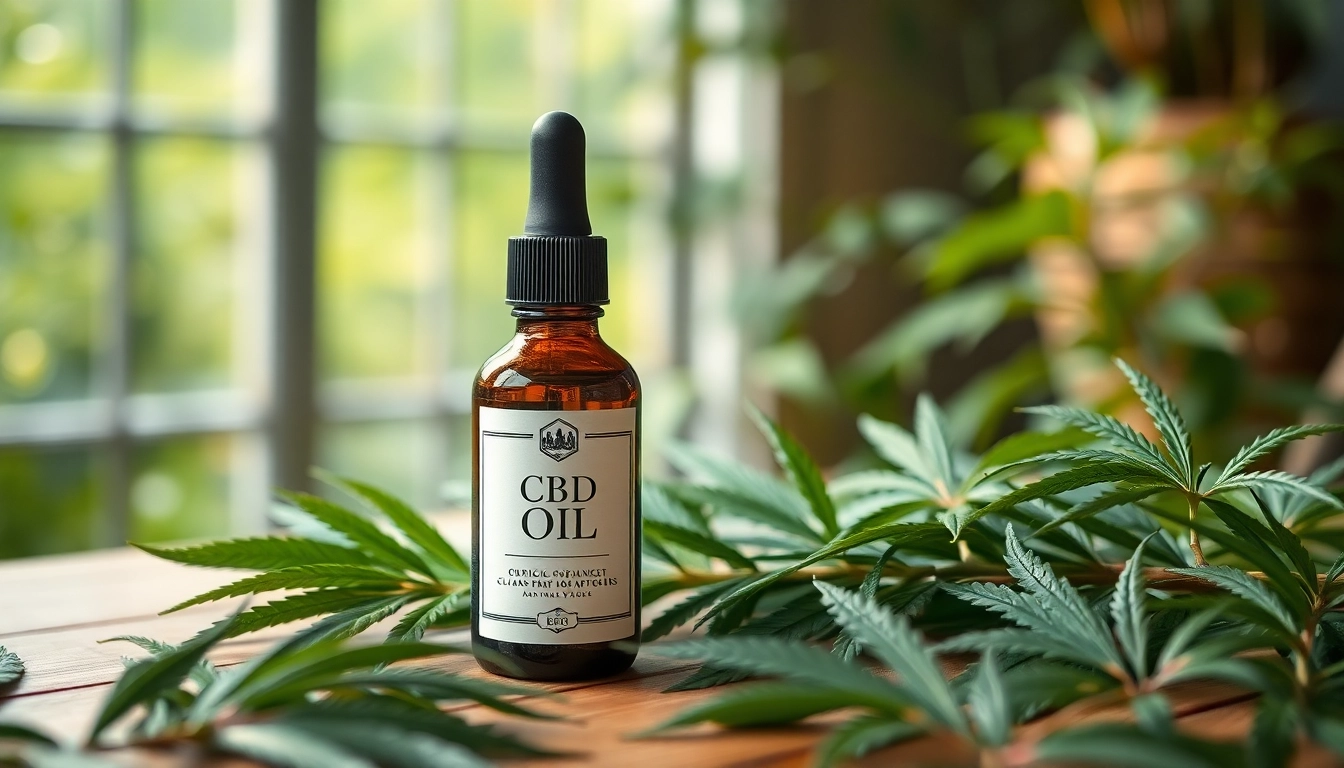
What is CBD Oil and How is it Made?
Cannabidiol, commonly known as CBD, is a compound derived from the hemp plant. Unlike its counterpart THC (tetrahydrocannabinol), CBD does not produce a psychoactive effect, making it increasingly popular for its potential health benefits. CBD Oil is extracted from the cannabis plant and is often used in a variety of applications, ranging from wellness products to therapeutic treatments. Understanding how CBD is sourced and produced is crucial for anyone interested in leveraging its potential benefits.
Understanding CBD: Sourcing and Extraction
CBD is primarily extracted from the hemp variety of the cannabis plant, which is low in THC. This extraction usually occurs through methods like CO2 extraction, solvent extraction, or olive oil extraction. CO2 extraction is considered the gold standard as it preserves the full spectrum of cannabinoids and terpenes without leaving harmful residues. Hemp is typically grown in regulated environments to enhance its quality and prevent contamination, ensuring that the CBD extracted is pure and potent.
Types of CBD Oil: Full Spectrum vs. Broad Spectrum
When choosing CBD oil, it is essential to understand the differences between full-spectrum and broad-spectrum oils. Full-spectrum CBD oil contains all the cannabinoids, terpenes, and flavonoids present in the cannabis plant, which may enhance the therapeutic effects through the entourage effect. On the other hand, broad-spectrum CBD oil retains most of these compounds but has had the THC removed completely. This provides users with a THC-free experience while still benefiting from the plant's holistic properties. Isolate CBD oil, another option, contains only pure CBD, making it the most refined form available.
How CBD Oil is Processed and Bottled
After extraction, the raw CBD oil undergoes further processing to ensure its safety and effectiveness. This may include refining, decarboxylation (to activate the cannabinoids), and winterization (to remove unwanted substances). Once processed, the oil is typically diluted with a carrier oil, such as MCT oil or hemp seed oil, enhancing its absorption by the body. The final product is then bottled in dark glass containers to protect it from light degradation while also ensuring a longer shelf life. Proper labeling is essential, detailing the concentration of CBD, serving size, and any additional ingredients.
Health Benefits of CBD Oil: What Research Tells Us
The growing popularity of CBD Oil has led to an increase in scientific research aimed at exploring its potential health benefits. Preliminary studies and anecdotal evidence suggest a variety of therapeutic applications, although more research is needed to solidify these claims.
Exploring the Potential Relief from Pain and Anxiety
One of the most well-documented benefits of CBD Oil is its potential to alleviate pain and anxiety. Research indicates that CBD may interact with the endocannabinoid system, which plays a crucial role in how we process pain and emotional responses. A 2019 study reported that CBD significantly reduced anxiety levels in participants, suggesting its efficacy as a treatment for anxiety disorders. Similarly, its anti-inflammatory properties can help in managing chronic pain, making it a potential alternative to traditional pain relievers.
Can CBD Oil Help with Sleep Disorders?
Sleep disorders, affecting millions worldwide, may also be relieved by CBD Oil. Research suggests that CBD can improve sleep quality and help users fall asleep faster. By potentially balancing the body's sleep-wake cycle, CBD may address issues such as insomnia and restless leg syndrome. However, as sleep is influenced by various factors, individual responses to CBD Oil may vary, and finding the right dosage is essential for effectiveness.
Scientific Studies Supporting the Claims of CBD Oil
Numerous studies have investigated the therapeutic effects of CBD Oil. A significant review published in the Journal of Clinical Psychology indicated that CBD may help reduce anxiety and anxiety-related disorders. Additional research highlights its effectiveness in reducing symptoms associated with epilepsy, including the FDA’s approval of CBD Oil for treating specific epilepsy conditions. While these findings are promising, ongoing studies are necessary to fully understand its broader applications and long-term effects.
How to Use CBD Oil Effectively
Understanding how to use CBD Oil effectively can significantly enhance its benefits. Factors such as absorption method, dosage, and routine play critical roles in maximizing the potential advantages of CBD.
Different Methods of Consumption: Oils, Tinctures, and Edibles
CBD Oil can be consumed through various methods, each with its unique advantages. Oils and tinctures, taken sublingually, provide fast absorption directly into the bloodstream, often resulting in quicker effects. Edibles, such as gummies or capsules, offer a more palatable option and longer-lasting effects but may take longer to kick in. Additionally, topical treatments containing CBD can target localized discomfort and inflammation effectively.
Determining the Right Dosage for Your Needs
Finding the right dosage of CBD Oil is crucial for achieving the desired effects without experiencing side effects. Factors such as body weight, individual body chemistry, and the desired outcomes all contribute to determining the optimal dose. Starting with a low dose and gradually increasing it while monitoring effects can help users find their sweet spot. Consulting a healthcare professional is advisable, especially for those on medication or with underlying health conditions.
Tips for Incorporating CBD Oil into Your Daily Routine
Incorporating CBD Oil into a daily routine can enhance health and well-being. Users can start by setting a consistent time for consumption, such as in the morning or evening, to establish a habit. Mixing CBD Oil with food or beverages can also make it easier to consume, especially for those who may find the taste of oil unappealing. Keeping a journal to track effects and dosage can provide valuable insights and help refine usage over time.
Potential Side Effects and Considerations for CBD Oil
While CBD Oil is generally well-tolerated, it’s essential to be aware of potential side effects and contraindications. Understanding these can help users make informed decisions regarding their usage.
Recognizing Common Side Effects
Common side effects of CBD Oil may include drowsiness, dry mouth, changes in appetite, and gastrointestinal issues like diarrhea. Although many users find these side effects manageable, it is advisable to consult healthcare providers if they persist or worsen.
Understanding Interactions with Medications
CBD may interact with certain medications, particularly those metabolized by the liver. It’s crucial for users currently on medication to consult their healthcare provider before starting CBD Oil. This precaution can help avoid potential adverse effects and ensure harmony in treatment regimens.
Who Should Avoid Using CBD Oil?
Certain individuals may be advised to avoid CBD Oil, including pregnant or breastfeeding women and those with specific health conditions. Consulting healthcare professionals is vital for assessing individual risks and benefits based on personal health profiles.
Choosing the Right CBD Oil Product for You
Finding the right CBD Oil product can seem overwhelming given the variety available on the market. Understanding crucial factors can help navigate this selection process more efficiently.
What to Look for on Product Labels
When choosing CBD Oil, scrutinizing product labels is essential. Look for information on the concentration of CBD, the type of oil (full-spectrum, broad-spectrum, or isolate), and any third-party lab testing certification. This transparency can help verify the product's efficacy and safety.
Quality Considerations: Third-Party Testing
Third-party testing is a critical indicator of product quality. Reliable manufacturers will often provide lab results on their websites, confirming the concentrations of cannabinoids and checking for impurities or contaminants. This validation is essential for ensuring that consumers receive a safe and effective product.
Pricing and Where to Buy CBD Oil Safely
Pricing for CBD Oil can vary widely based on quality and brand reputation. While cheaper products may seem attractive, they often compromise quality. Purchasing from reputable retailers—whether online or in stores—is crucial for ensuring safety and getting what is expected. Consumers should also be aware of local regulations regarding CBD to ensure they are compliant with any relevant laws.